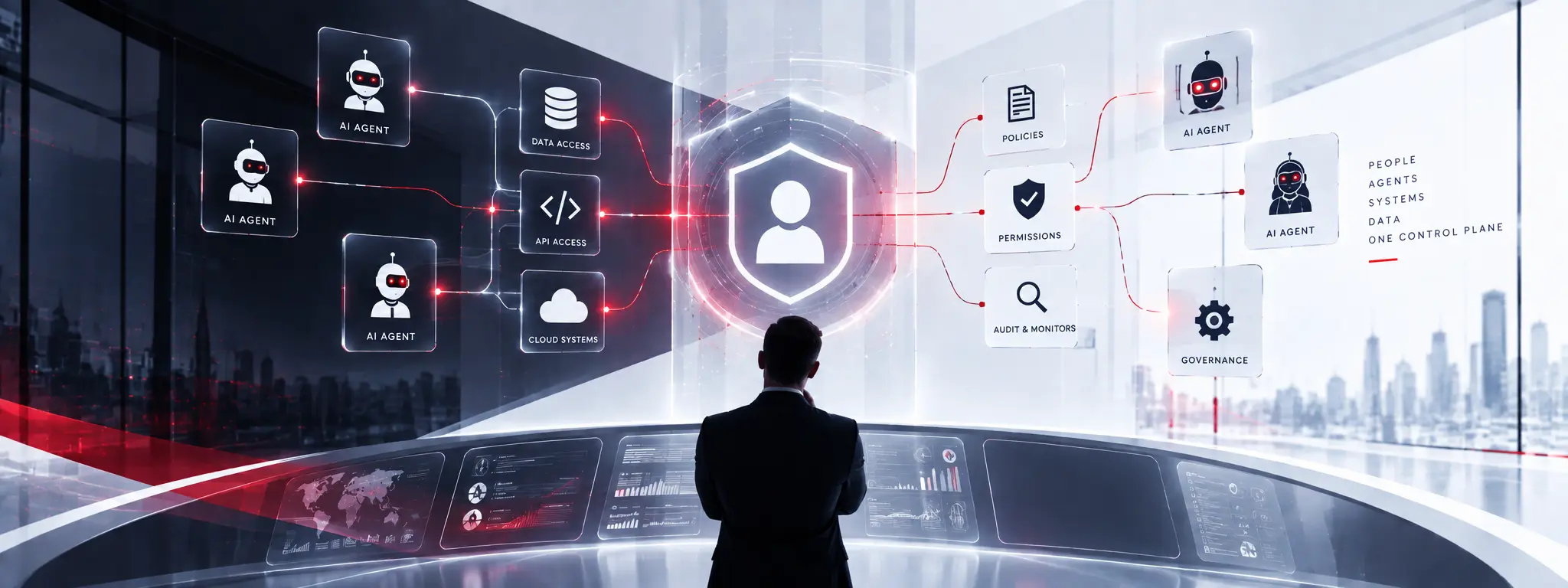

In today’s digital era, every login, access request, or identity check is part of a bigger cybersecurity ecosystem. Organizations of all sizes—from startups to global enterprises—must now ensure that only legitimate users can access their applications, networks, and sensitive data. This foundational security control is known as user authentication, and it has become one of the most critical cyber defense practices in the modern world.
With the rise of remote work, cloud computing, mobile apps, and AI-driven cyber threats, the old username-and-password model is no longer enough. Modern attackers use sophisticated methods like phishing, credential stuffing, session hijacking, and brute-force attacks to steal identities. This makes user authentication more important than ever, prompting businesses to adopt advanced user authentication methods and multi-layered identity security strategies.
This in-depth guide will explain what is user authentication, how it works, its benefits, best practices, real-world examples, and why organizations should prioritize strengthening it.
Table of Contents
- What is User Authentication?
- User Authentication Definition (Explained Simply)
- How Does User Authentication Work?
- Types of User Authentication Methods
- Why is User Authentication Important?
- Key Components of a Secure Authentication System
- The Shift from Passwords to Passwordless
- Multi-Factor Authentication (MFA)
- Risk-Based and Adaptive Authentication
- Single Sign-On (SSO)
- Biometrics in Authentication
- User Authentication in Cloud and SaaS Environments
- Common Attacks Against Authentication Systems
- Best Practices for Improving User Authentication
- User Authentication in AI and Zero-Trust Security
- Future Trends in User Authentication
- Conclusion
What is User Authentication?
Before exploring the technical aspects, we must first define what is user authentication. The term refers to the cybersecurity process that verifies whether a user is truly who they claim to be before granting access to digital systems.
Every login attempt—whether to a banking site, cloud app, or corporate dashboard—goes through this identity verification process. Without strong user authentication, any system becomes vulnerable to unauthorized access, fraud, and data breaches.
Businesses today must not only adopt secure user authentication methods but must also train employees and users about using authentication responsibly.
As digital identities become more valuable than physical assets, the importance of secure user authentication continues to grow dramatically.
User Authentication Definition (Explained Simply)
Here is a simplified user authentication definition:
User authentication is a security process that verifies a user’s identity before allowing them to access a system, application, or network.
This user authentication definition revolves around confirming identity using one or more authentication factors, such as:
- Something the user knows (password, PIN)
- Something the user has (mobile OTP, hardware key)
- Something the user is (fingerprint, face scan)
When organizations implement secure user authentication methods, they reduce identity theft, unauthorized access, and cyberattacks significantly.
This user authentication definition highlights its role as the first line of defense in any cybersecurity architecture.
How Does User Authentication Work?
Understanding what is user authentication also means understanding how it works behind the scenes.
The process typically involves these steps:
Step 1: User Initiates Auth Request
They enter a username, email, biometric scan, OTP, or hardware-token request.
Step 2: System Challenges Identity
According to configured user authentication methods, the system demands verification.
Step 3: Credentials Are Validated
The system checks the submitted credentials against its identity database.
Step 4: Access Granted or Denied
If the identity matches—access allowed.
If not—access denied or blocked after repeated failures.
Step 5: Continuous Evaluation (In Modern Systems)
Risk-based systems continuously monitor and evaluate user behavior.
In short, user authentication ensures that only legitimate identities interact with sensitive digital assets.
Types of User Authentication Methods
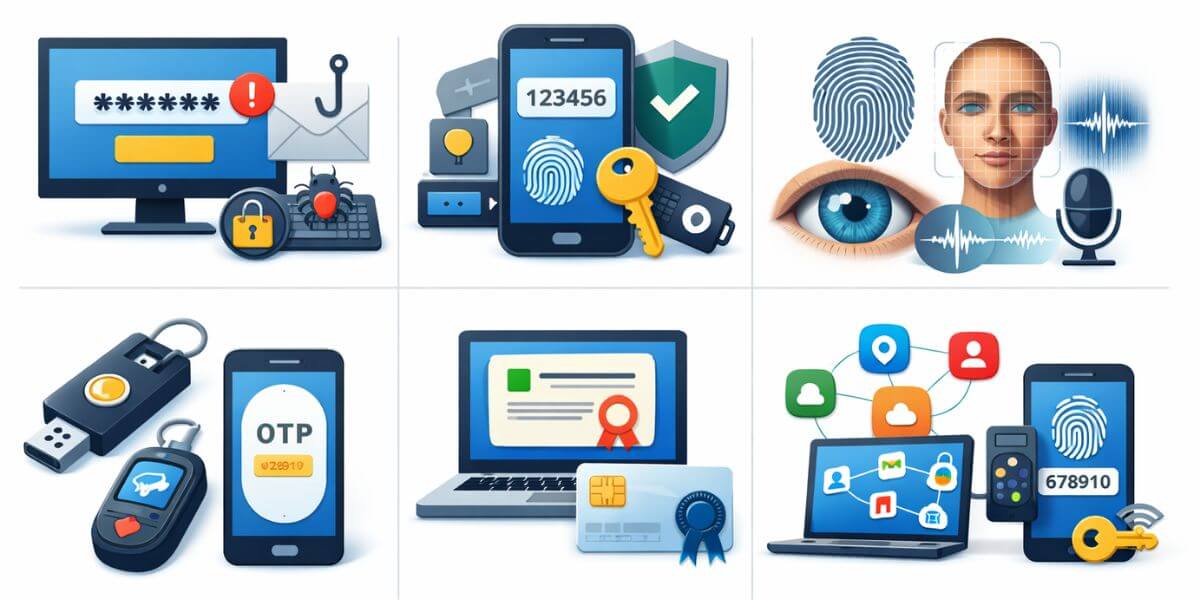
Organizations use a variety of user authentication methods to secure digital access. Understanding these methods is essential to grasp what is user authentication and why it matters.
Here are the major categories:
a) Password-Based Authentication
The oldest and most common method.
Users enter a password that must match the stored hash.
However, passwords are vulnerable to:
- Phishing
- Keylogging
- Credential reuse
- Brute-force attacks
b) Multi-Factor Authentication (MFA)
Users verify identity using two or more factors:
- Password + OTP
- PIN + fingerprint
- Username + hardware key
This dramatically increases security.
c) Biometric Authentication
Uses unique biological identifiers:
- Fingerprints
- Face recognition
- Voiceprints
- Iris scans
One of the fastest-growing user authentication methods.
d) Token-Based Authentication
Includes:
- Hardware security keys
- Authenticator apps
- One-Time Passwords (OTPs)
Tokens make identity theft harder.
e) Certificate-Based Authentication
Digital certificates stored on devices confirm identity.
f) Single Sign-On (SSO)
Allows users to log in once and access multiple apps securely.
g) Passwordless Authentication
Uses OTPs, biometrics, or cryptographic keys instead of passwords.
These innovative user authentication methods are now widely adopted for better security and user experience.
Why is User Authentication Important?

Why should businesses care about user authentication?
Here are the major reasons:
1. Prevent Unauthorized Access
Stops cybercriminals, hackers, and malicious insiders.
2. Protect User Data and Privacy
Maintains trust and compliance with privacy laws.
3. Prevent Financial Loss
Avoids fraud, identity theft, and unauthorized transactions.
4. Support Zero-Trust Security
Modern security frameworks depend heavily on user authentication.
5. Reduce Data Breaches
Over 80% of breaches involve stolen or weak passwords.
6. Comply with Regulations
Compliance frameworks like:
- GDPR
- HIPAA
- ISO 27001
- SOC 2
require strong user authentication methods.
In summary, every business must understand what is user authentication and how to implement advanced identity controls.
Key Components of a Secure Authentication System
A complete user authentication framework includes:
- Identity database
- Credential hashing and encryption
- MFA enforcement
- Device recognition
- Session management
- Risk scoring and monitoring
These components ensure every login is secure and traceable.
The Shift from Passwords to Passwordless
Passwords alone are no longer considered secure. Attackers can easily steal or guess them. This is why many organizations are shifting toward passwordless user authentication methods.
Passwordless options include:
- Biometrics
- Passkeys
- OTP logins
- Magic links
Adopting passwordless significantly reduces risks associated with traditional passwords.
Multi-Factor Authentication (MFA)
MFA has become a mandatory security layer for modern systems.
It strengthens user authentication by verifying identity multiple times.
Benefits include:
- Reduced account compromise
- Protection against phishing
- Stronger compliance
MFA is one of the top user authentication methods recommended globally.
Risk-Based and Adaptive Authentication
Adaptive authentication evaluates the risk of each login by analyzing:
- Device
- Location
- Behavior
- IP reputation
Users face additional verification only when necessary, providing a balance of security and convenience.
Single Sign-On (SSO)
SSO allows users to log in once and access multiple systems.
Advantages:
- Better user experience
- Centralized security controls
- Reduced password fatigue
SSO enhances productivity and is common in enterprise environments.
Biometrics in Authentication
Biometric security has transformed user authentication.
Benefits:
- Harder to forge
- Faster than passwords
- Device-based security
Biometrics are one of the fastest-growing user authentication methods worldwide.
User Authentication in Cloud and SaaS Environments
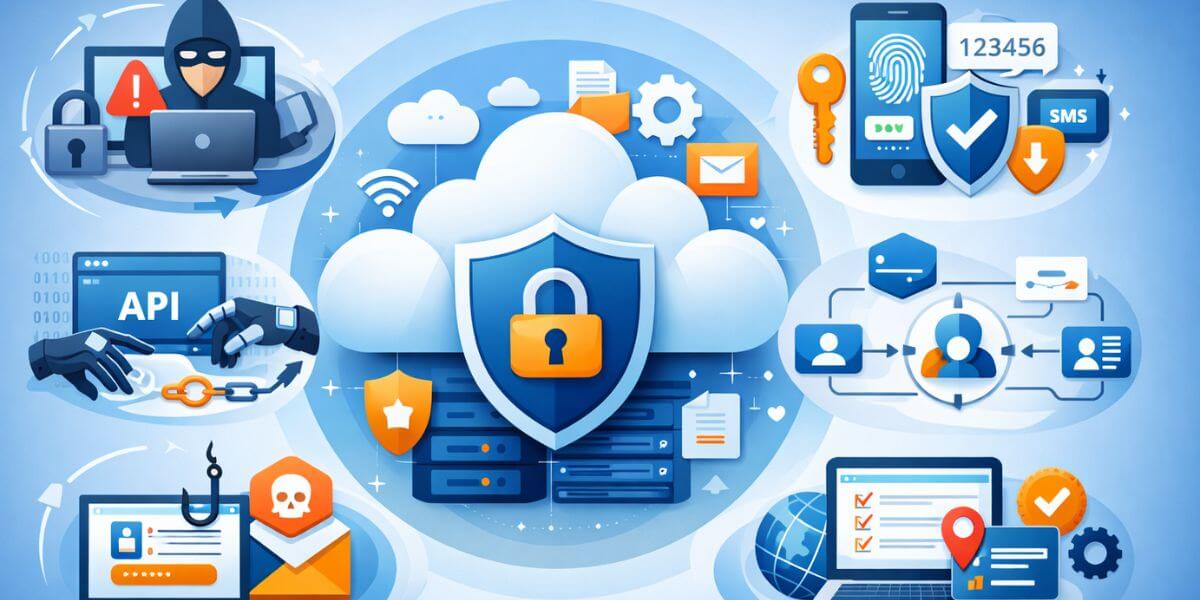
Cloud environments require stronger user authentication due to shared infrastructures and remote access.
Authentication challenges include:
- Account takeover
- API abuse
- Credential phishing
Organizations must implement:
- MFA
- SSO
- Identity federation
- Conditional access policies
This ensures cloud apps stay secure and compliant.
Common Attacks Against Authentication Systems
Cybercriminals target authentication systems using:
- Phishing
- Credential stuffing
- Password spraying
- Brute force attacks
- Session hijacking
- Man-in-the-middle attacks
Strong user authentication methods significantly reduce these risks.
Best Practices for Improving User Authentication
Here are essential recommendations:
✔ Enable MFA everywhere
✔ Enforce strong password policies
✔ Use passwordless methods
✔ Implement adaptive authentication
✔ Secure APIs
✔ Educate users
✔ Monitor suspicious login activity
✔ Use session timeouts and device restrictions
These practices ensure robust user authentication across all systems.
User Authentication in AI & Zero-Trust Security
AI-driven systems now analyze login behavior to detect anomalies.
Zero-trust frameworks depend heavily on user authentication by verifying every identity continuously.
Key principles include:
- Never trust
- Always verify
- Assume breach
- Apply least privilege
Authentication is the backbone of modern zero-trust security architecture.
Future Trends in User Authentication
The future of identity security is evolving rapidly.
Trends include:
- AI-powered authentication
- Passwordless adoption
- Decentralized identity (DID)
- Behavioral biometrics
- Identity orchestration platforms
These emerging technologies continue to improve user authentication efficiency, security, and user experience.
Conclusion – How Trevonix Helps Organizations Strengthen User Authentication
As cyber threats continue to evolve, businesses can no longer rely on traditional passwords or outdated security measures. Strong user authentication is essential for protecting data, maintaining trust, and supporting digital transformation.
Organizations looking to modernize authentication must adopt:
- Multi-factor authentication
- Passwordless technologies
- Risk-based authentication
- Centralized identity management
- Continuous monitoring
This is where Trevonix becomes a powerful partner.
Trevonix, a global cybersecurity and identity management company headquartered in London, helps enterprises across the US, UK, Europe, Middle East, APAC, and ANZ implement secure and scalable user authentication solutions. Their advanced identity platform simplifies access control, enhances authentication security, and protects businesses from modern cyber risks.