
Table of Contents
- Summary
- Understanding AI Agents in the Enterprise
- Identity as the Control Plane
- Lifecycle Management for AI Agents
- Human-in-the-Loop Governance
- Trevonix Perspective
- Conclusion
- Reference
Summary
AI agents are transforming enterprise operations by automating workflows and acting independently across systems. While this increases efficiency, it introduces challenges in managing autonomous entities securely.
Ping Identity positions identity as the foundation for enabling trusted AI adoption.
Understanding AI Agents in the Enterprise
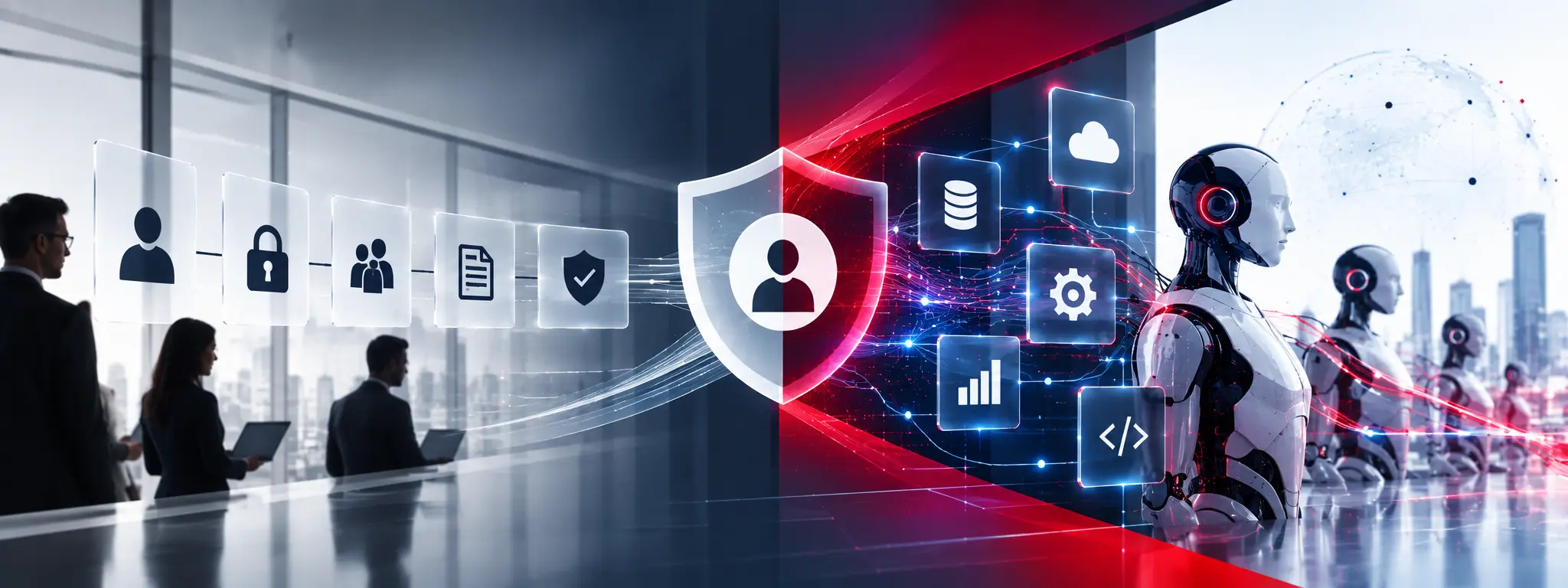
AI agents are software entities capable of reasoning, planning, and acting on behalf of users or systems. Their scale and autonomy require a rethinking of identity frameworks.
Identity as the Control Plane
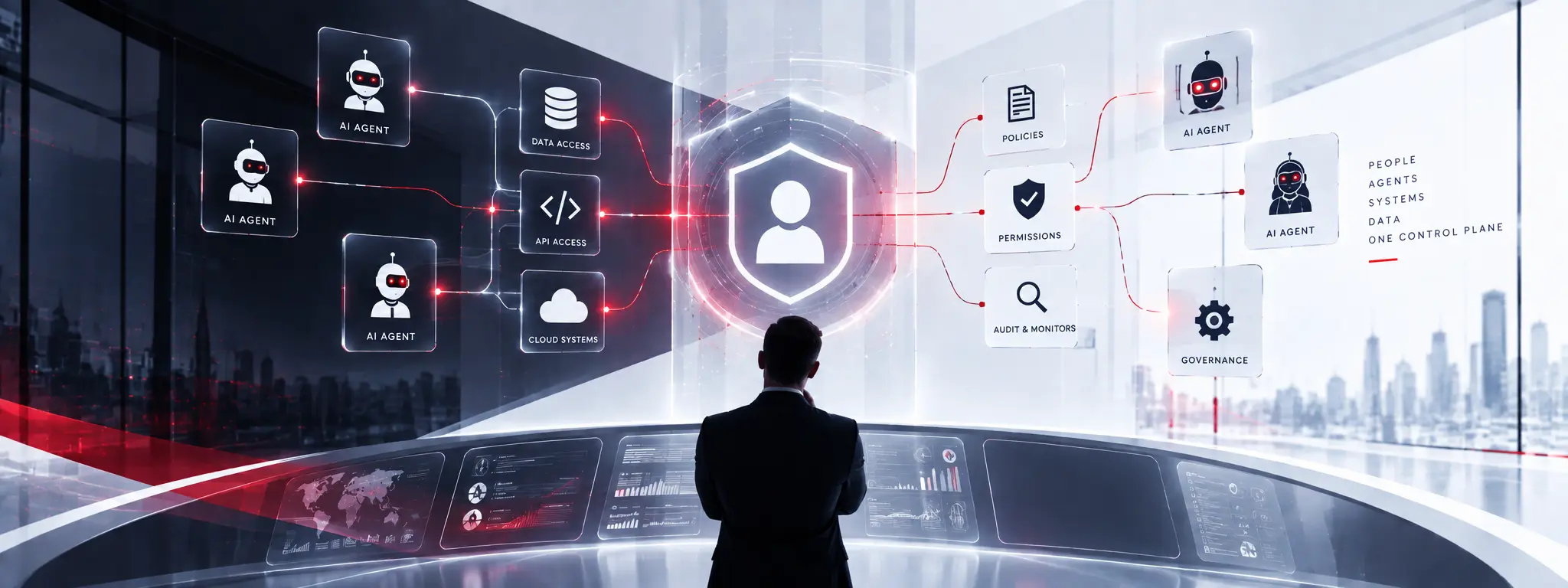
Identity governs:
- What the agent is
- What it can access
- What it can do
It becomes the central layer for enforcing trust and accountability
Lifecycle Management for AI Agents
- Automated provisioning
- Granular access delegation
- Continuous monitoring
- Secure deprovisioning
This ensures consistent governance throughout the agent lifecycle.
Human-in-the-Loop Governance
- Sensitive actions require approval
- Accountability is maintained
- Risks are mitigated before execution
Building Trust in the Agent Economy
Ping Identity enables visibility, access control, and protection against emerging AI-driven threats, creating a secure foundation for scaling AI.
Trevonix Perspective
AI agents must be treated as identities in their own right. Governance should extend beyond access to behaviour, with human oversight remaining critical in high-risk scenarios.
Conclusion
Identity-driven governance is essential to scale AI securely. Without it, autonomy introduces risk; with it, organisations can unlock AI confidently.
Reference
https://www.pingidentity.com/en/solution/agentic-ai-identity.html