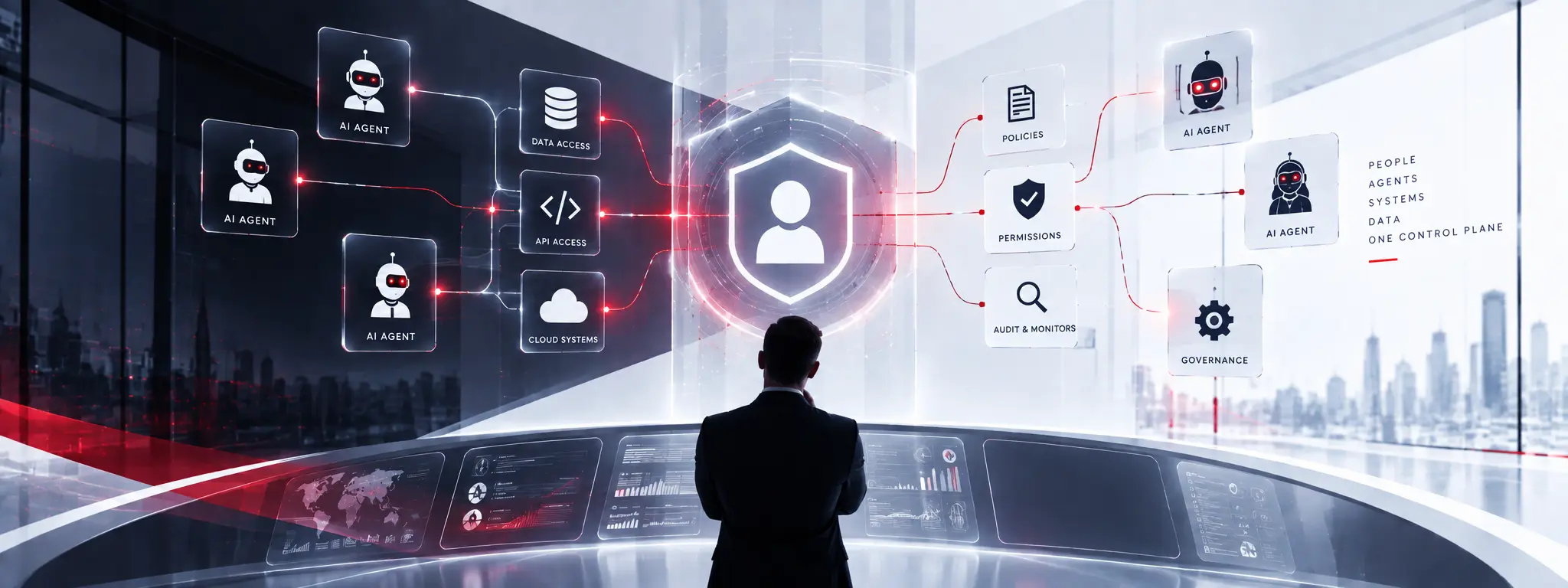

Modern organisations can no longer rely solely on authentication and access controls. They also need privileged threat analytics and privileged user monitoring to continuously observe privileged activities, detect suspicious behaviour, and respond before damage occurs.
Combined with session monitoring, intelligent analytics, and automated response capabilities, these technologies significantly reduce insider threats and privileged account abuse while strengthening overall security.
Table of Contents
- What Is Privileged Threat Analytics?
- Understanding the Risks Associated with Privileged Accounts
- What Is Privileged Session Monitoring?
- How Privileged Threat Analytics Detects Insider Threats
- Real-Time Monitoring and Threat Detection
- The Role of Session Recording in Security and Compliance
- Automated Response to Privileged Threats
- How Privileged Threat Analytics Strengthens Privileged Access Management (PAM)
- Why Privileged Threat Analytics Is Essential for Zero Trust Security
- How Trevonix Helps Organisations Secure Privileged Access
- Conclusion
What Is Privileged Threat Analytics?
Defining Privileged Threat Analytics
Privileged threat analytics uses artificial intelligence, behavioural analytics, and machine learning to analyse privileged account activities in real time. Unlike traditional security monitoring, it focuses specifically on privileged users, identifying suspicious actions before they become serious incidents.
Combined with privileged user monitoring, organisations gain continuous visibility into administrator behaviour, helping security teams detect risks earlier and reduce response times.
Why Traditional Monitoring Is No Longer Enough
Traditional logs only record what happened after an event. Today's sophisticated threats require continuous privileged threat analytics, proactive privileged user monitoring, and intelligent session monitoring that can identify risky behaviour as it occurs.
Understanding the Risks Associated with Privileged Accounts
Why Privileged Accounts Are Prime Targets
Privileged credentials provide unrestricted access to business-critical systems. Cybercriminals actively target these accounts because compromising just one administrator can provide access to an entire network.
Strong privileged account security is therefore essential for reducing organisational risk.
Common Sources of Privileged Account Abuse
Privilege misuse may result from:
- Compromised administrator credentials
- Insider threats
- Excessive permissions
- Shared privileged accounts
- Human error
- Third-party vendor access
Effective privileged access monitoring helps identify these risks before they escalate.
The Business Impact of Privileged Access Abuse
Without continuous privileged threat analytics, organisations may experience:
- Data breaches
- Financial losses
- Regulatory penalties
- Operational disruption
- Reputational damage
Continuous privileged user monitoring significantly reduces these risks.
What Is Privileged Session Monitoring?
How Session Monitoring Works
Session monitoring observes every privileged session in real time, capturing administrator actions across servers, cloud workloads, databases, applications, and network devices.
Through effective privileged session management, security teams maintain complete visibility throughout each privileged session.
Activities That Can Be Monitored
Modern session monitoring can capture:
- User logins
- Command execution
- File access
- Configuration changes
- Privilege escalation
- Database queries
- Remote desktop activity
These insights strengthen privileged access monitoring across the enterprise.
Benefits of Continuous Session Visibility
Continuous session monitoring enables organisations to:
- Detect suspicious activity immediately
- Improve insider threat detection
- Investigate incidents faster
- Reduce insider risks
- Strengthen privileged account security
How Privileged Threat Analytics Detects Insider Threats
Behavioural Analytics and User Baselines
One of the greatest strengths of privileged threat analytics is behavioural analysis. The system learns how administrators normally work and creates individual behavioural baselines.
When unusual activity occurs, privileged user monitoring immediately identifies deviations.
Detecting Anomalous Administrative Activity
Examples include:
- Accessing systems outside normal working hours
- Downloading excessive data
- Executing unfamiliar commands
- Disabling security controls
- Creating unauthorised administrator accounts
These activities are quickly identified through privileged threat analytics.
Identifying Suspicious Patterns Across Sessions
Rather than analysing isolated events, privileged threat analytics correlates multiple session monitoring events across different systems to improve insider threat detection accuracy.
Real-Time Monitoring and Threat Detection
Real-time privileged user monitoring enables security teams to identify threats while sessions are still active.
Advanced privileged threat analytics continuously evaluates risk indicators, including:
- Abnormal login behaviour
- Multiple failed authentication attempts
- Unusual administrative commands
- Unexpected privilege escalation
- Sensitive file access
- High-risk remote sessions
By combining privileged access monitoring with intelligent analytics, organisations can stop attacks before sensitive assets are compromised.
The Role of Session Recording in Security and Compliance
What Is Session Recording?
Session recording captures the complete activity performed during privileged sessions, including every command, screen interaction, and administrative action.
It complements session monitoring by providing a complete audit trail.
Benefits of Recording Privileged Sessions
Recording privileged sessions supports:
- Faster forensic investigations
- Improved accountability
- Reduced insider risk
- Stronger privileged account security
- Better incident response
Comprehensive privileged session management ensures that every privileged action is fully traceable.
Supporting Regulatory Compliance
Many compliance standards require organisations to monitor privileged activity.
Session recording helps organisations meet regulatory requirements by supporting:
- Audit readiness
- Security investigations
- Evidence collection
- Governance reporting
This strengthens both privileged access monitoring and compliance programmes.
Automated Response to Privileged Threats
Modern privileged threat analytics platforms do more than generate alerts.
They can automatically:
- Terminate suspicious sessions
- Suspend privileged accounts
- Trigger multi-factor authentication
- Notify security teams
- Block risky administrative actions
- Launch incident response workflows
Automation improves insider threat detection while reducing response times and minimising potential damage.
How Privileged Threat Analytics Strengthens Privileged Access Management (PAM)
Privileged Access Management controls who receives privileged access.
Privileged threat analytics strengthens PAM by adding continuous intelligence after access has been granted.
Together, privileged user monitoring, privileged access monitoring, privileged session management, and session monitoring provide complete visibility throughout the entire privileged access lifecycle, ensuring that privileged accounts remain secure even after authentication.
Why Privileged Threat Analytics Is Essential for Zero Trust Security
Zero Trust assumes that no user, device, or session should ever be trusted automatically.
Continuous verification requires ongoing privileged threat analytics, privileged user monitoring, and session monitoring to ensure privileged users remain trustworthy throughout every session.
When combined with a robust Zero Trust Identity Architecture, organisations gain stronger protection against credential theft, insider misuse, and sophisticated cyberattacks while continuously improving privileged account security.
How Trevonix Helps Organisations Secure Privileged Access
Trevonix helps organisations strengthen privileged identity security through intelligent identity governance, modern Privileged Access Management, and Zero Trust strategies.
Its solutions combine privileged threat analytics, privileged user monitoring, privileged access monitoring, privileged session management, and advanced session monitoring to provide continuous visibility into privileged activities. By leveraging behavioural analytics, real-time threat detection, session recording, and automated response capabilities, Trevonix enables organisations to reduce insider risks, improve compliance, and safeguard critical business systems. Organisations can further enhance their security posture by adopting Trevonix's Zero Trust Identity Architecture, which supports continuous verification and least-privilege access across hybrid and cloud environments.
Conclusion
Privileged accounts remain one of the most attractive targets for cybercriminals and one of the greatest insider risks for modern organisations. Traditional logging and periodic reviews are no longer sufficient to protect critical systems.
By implementing privileged threat analytics, privileged user monitoring, session monitoring, privileged access monitoring, and privileged session management, organisations gain real-time visibility into privileged activities, rapidly detect suspicious behaviour, and respond before threats escalate. Combined with robust privileged account security practices and effective insider threat detection, these capabilities form a critical layer of modern cybersecurity and support a resilient Zero Trust strategy.
Investing in intelligent privileged monitoring not only reduces the risk of privileged account abuse but also improves operational resilience, regulatory compliance, and long-term business security.