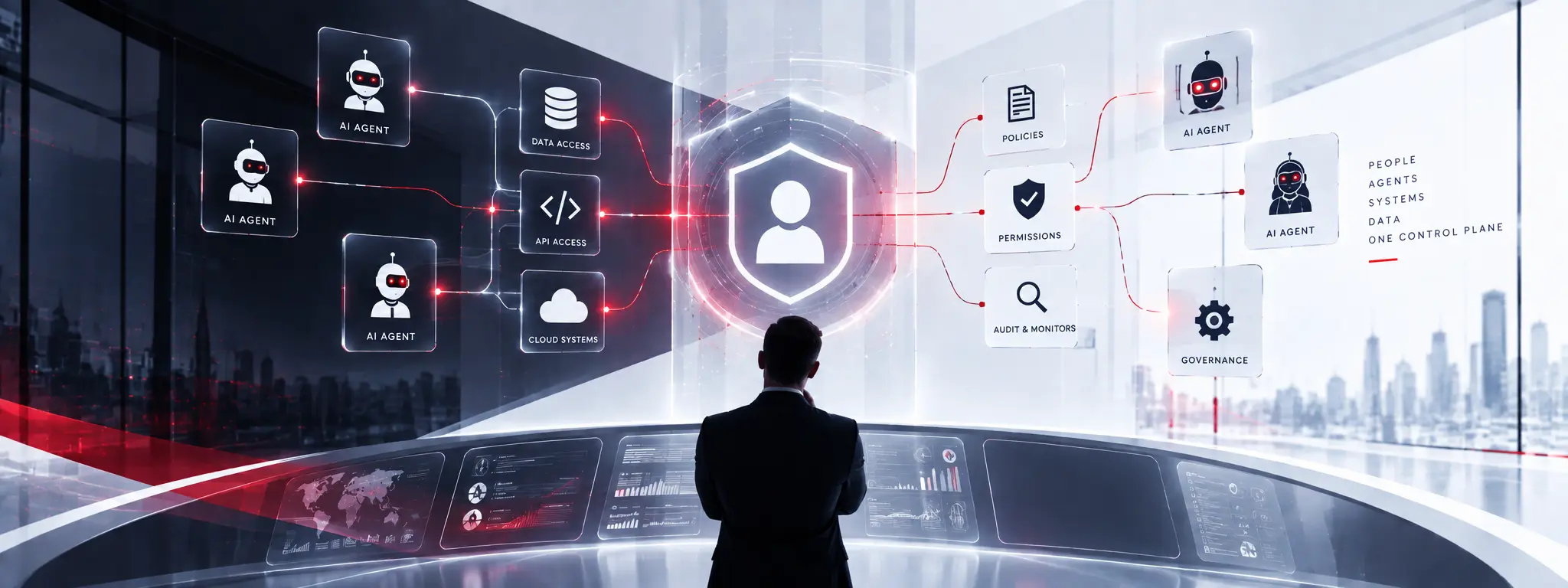
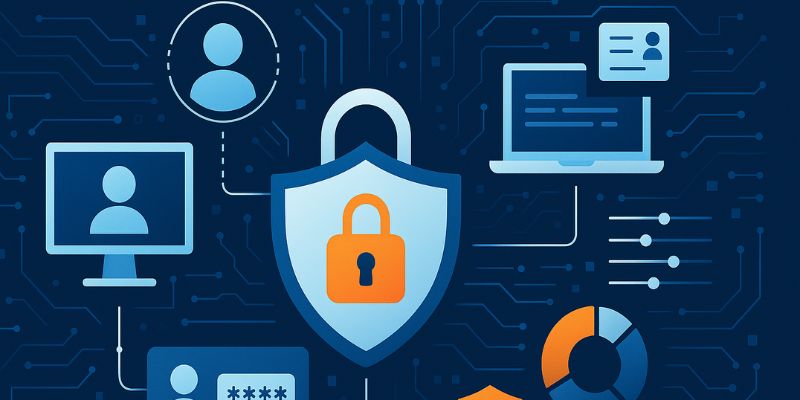
Identity management services play a critical role by ensuring that only authorized individuals can access sensitive data, systems, and applications, reducing the risk of data breaches.
In today’s rapidly evolving digital landscape, managing who has access to your business’s systems, applications, and data has never been more critical. Whether you are a small startup or a multinational enterprise, securely managing digital identities is vital to protecting sensitive information and maintaining compliance with industry regulations. This is where IAM services come into play.
IAM services (Identity and Access Management services) help organizations manage user identities and control access to resources. From secure logins to role-based access, these services provide the foundation of a modern cybersecurity strategy. In this blog, we’ll explore what IAM services are, their key features, types, benefits, and how to choose the right provider for your business.
Table of Contents
- What Are IAM Services?
- Key Features of Identity and Access Management Services
- Why Your Business Needs IAM Services
- Types of IAM Services Available
- Choosing the Right IAM Service Provider
- Conclusion
- FAQs
What Are IAM Services?
IAM services, or Identity and Access Management services, refer to the tools and processes that allow organizations to manage digital identities and control access to information systems. These services ensure that the right individuals access the right resources at the right times for the right reasons.
Scope of IAM Services
- Authentication: Verifying the identity of a user before granting access.
- Authorization: Determining what an authenticated user is allowed to do.
- User Lifecycle Management: Managing user accounts from onboarding to offboarding.
Examples of IAM Services
- Single Sign-On (SSO): Enables users to log in once and access multiple applications.
- Multi-Factor Authentication (MFA): Requires multiple verification methods for login.
- Role-Based Access Control (RBAC): Grants access based on a user’s role within the organization.
These components work together to create a secure, efficient, and compliant identity management infrastructure.
Key Features of Identity and Access Management Services
Implementing robust identity and access management services provides several critical features that enhance security and streamline operations:
1. Secure User Authentication
Ensures that users are who they claim to be. With MFA and biometric verification, unauthorized access is minimized.
2. Centralized User Management
IAM services allow IT teams to manage user credentials, permissions, and roles from a single dashboard, reducing administrative overhead.
3. Access Control Policies
Admins can define access rules based on roles, departments, or other criteria to limit who can access specific systems.
4. Compliance Reporting
Provides detailed logs and reports that help meet regulatory requirements such as GDPR, HIPAA, and SOX.
5. Integration with Cloud Platforms
Modern identity and access management services seamlessly integrate with cloud environments like AWS, Azure, and Google Cloud.
Why Your Business Needs IAM Services
The need for IAM services has grown exponentially due to increasing cyber threats, a distributed workforce, and strict compliance regulations.
Protects Sensitive Data
By ensuring only authorized users can access sensitive data, IAM services help protect against data breaches.
Supports Remote/Hybrid Workforce
With more employees working remotely, secure access to company resources from anywhere becomes essential.
Ensures Regulatory Compliance
Identity management services support compliance with data protection laws like GDPR and HIPAA through access control and audit trails.
Reduces Risk of Insider Threats
With detailed user activity logs and controlled access, organizations can detect and prevent insider threats.
Automates and Simplifies IT Operations
Automating user provisioning and deprovisioning helps IT teams focus on strategic initiatives instead of manual tasks.
Types of IAM Services Available
Organizations can choose from several types of IAM services based on their infrastructure, security needs, and budget.
1. On-Premises IAM Solutions
Installed and managed within the organization's IT environment. Offers full control but requires more maintenance and infrastructure.
2. Cloud-Based IAM Services (IDaaS)
Identity-as-a-Service platforms provide IAM functionality via the cloud. Ideal for scalability, easy integration, and low upfront costs.
3. Hybrid IAM Setups
Combines both on-premises and cloud-based IAM solutions. Offers flexibility and gradual migration to the cloud.
Choosing the Right IAM Service Provider
Selecting the right IAM services provider is crucial for long-term success and security. Here are key factors to consider:
1. Scalability
Ensure the IAM solution can grow with your business and support thousands of users if needed.
2. Integration Capabilities
Look for a provider that supports integration with your existing systems, applications, and cloud services.
3. Security Standards
Verify that the provider complies with industry security standards like ISO 27001, SOC 2, and NIST.
4. Customer Support
Choose a vendor that offers 24/7 support, detailed documentation, and dedicated onboarding.
5. Cost-Effectiveness
Compare pricing models—subscription vs. license-based—and understand what features are included.
Tips for Comparing Vendors
- Request demos and free trials.
- Read case studies and customer reviews.
- Evaluate their incident response and SLAs.
Common Mistakes to Avoid
- Choosing features over usability.
- Ignoring integration needs.
- Underestimating the importance of compliance.
Conclusion
In a digital-first world, IAM services are not a luxury—they are a necessity. Whether it’s safeguarding sensitive data, enabling remote work, or ensuring compliance, the right identity and access management services empower organizations to operate securely and efficiently.
Trevonix, a trusted leader in IAM services, offers scalable and secure identity management solutions tailored to your business needs. With proven expertise in implementing robust IAM frameworks, Trevonix helps businesses protect what matters most.