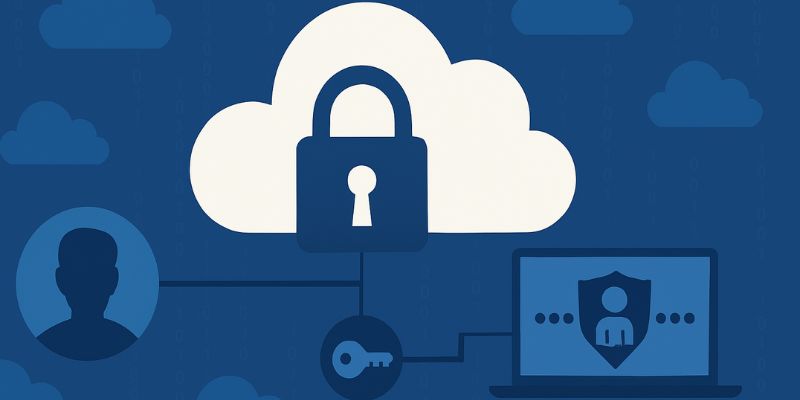
Cloud computing has transformed the way businesses operate by providing scalable, flexible, and cost-effective solutions. As organizations rapidly adopt cloud technologies, the need for robust security mechanisms becomes critical. Among the many components of cloud security, Identity and Access Management (IAM) plays a central role. IAM in cloud computing ensures that the right individuals have the appropriate access to technology resources.
This blog will explore the fundamentals of IAM cloud computing, its importance in securing access, the key components, challenges, best practices, and what the future holds for identity and access management in cloud security.
Table of Contents
- What is IAM in Cloud Computing?
- Importance of IAM in Cloud Security
- Key Components of Cloud IAM
- IAM Challenges in Cloud Computing
- Benefits of IAM in Cloud Environments
- Best Practices for Implementing Cloud IAM
- Future of Identity Management in Cloud Computing
- Conclusion
What is IAM in Cloud Computing?
Define IAM in Cloud Computing
IAM in cloud computing refers to a framework of policies, technologies, and processes that help organizations manage digital identities and control access to cloud resources. It is a vital aspect of identity and access management in cloud computing, as it governs who can access what information and under what conditions.
IAM cloud computing ensures only authorized users and devices can access data, services, and systems hosted in the cloud. It involves authentication, authorization, and auditing of users’ actions in a cloud environment.
How IAM Controls User Identities and Access Across Cloud Platforms
In a cloud context, IAM enables administrators to:
- Create and manage user accounts across multiple cloud platforms.
- Assign and revoke permissions based on user roles.
- Enforce security policies through centralized controls.
- Monitor access and detect suspicious behavior.
Whether you are using AWS IAM, Azure Active Directory, or Google Cloud IAM, the core principles remain the same—define IAM in cloud computing to protect your environment.
Importance of IAM in Cloud Security
IAM cloud computing serves as the backbone of identity and access management in cloud security. It plays a critical role in maintaining the confidentiality, integrity, and availability of cloud resources.
Reducing Security Risks in Multi-Cloud Environments
Most enterprises today operate in multi-cloud or hybrid cloud environments. IAM in cloud computing helps reduce security risks by providing consistent policies and controls across different cloud providers. Without proper IAM, each cloud platform may become a security silo.
Role-Based Access Control (RBAC) and Least Privilege
IAM solutions support Role-Based Access Control (RBAC), which assigns permissions based on users’ job functions. This ensures that users have only the access necessary to perform their duties—also known as the principle of least privilege.
Authentication Mechanisms
Modern IAM cloud computing systems support multi-factor authentication (MFA), biometrics, and single sign-on (SSO), making identity verification stronger and more secure. These authentication tools are crucial for preventing unauthorized access.
Compliance and Audit Needs
Regulations such as GDPR, HIPAA, and SOC 2 require strict access controls and detailed audit trails. IAM in cloud computing helps organizations stay compliant by recording who accessed what data and when.
Key Components of Cloud IAM
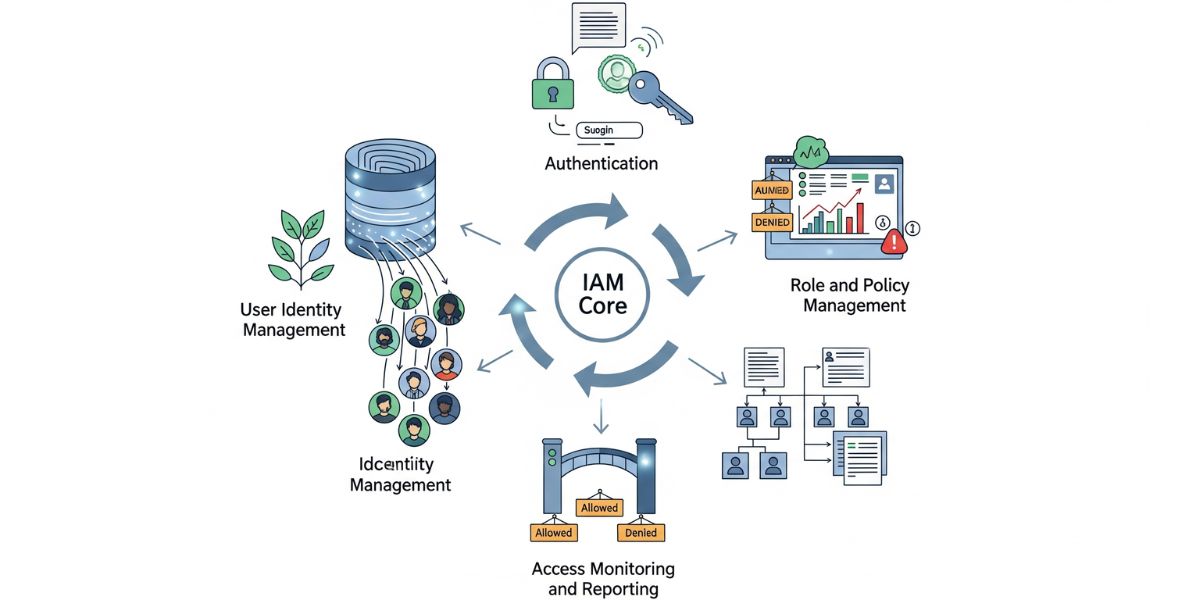
Let’s explore the essential components that make identity and access management cloud computing effective:
User Identity Management
This component focuses on creating, managing, and de-provisioning user identities. It includes user lifecycle management from onboarding to offboarding. Identity management in cloud computing ensures consistency across platforms.
Authentication & Authorization
Authentication verifies user identities through passwords, biometrics, or tokens, while authorization determines what actions a user can perform. Together, they form the foundation of IAM in cloud computing.
Click here to know the Key Differences between Authentication and Authorization
Role and Policy Management
Administrators define roles based on responsibilities and assign users to these roles. Policies define what access permissions are tied to each role. Role and policy management ensures that security policies are consistently enforced.
Access Monitoring and Reporting
IAM tools provide logs and reports on user activity. These insights help security teams detect anomalies and investigate incidents. Monitoring is essential for auditing and compliance in identity and access management in cloud computing.
IAM Challenges in Cloud Computing
Despite its advantages, IAM cloud computing presents several challenges that organizations must navigate:
Managing Hybrid and Multi-Cloud Environments
Coordinating identity systems across AWS, Azure, and on-prem environments is complex. Inconsistent policies and tools can lead to security gaps. IAM challenges in cloud computing often start with integration issues.
Synchronizing On-Prem and Cloud Identities
Legacy systems may not be compatible with modern cloud IAM tools. Synchronizing identities across environments requires advanced configurations and often third-party solutions.
Complex Policy Configurations
IAM in cloud computing involves managing detailed policies. Misconfigured access rules can lead to unauthorized access or, conversely, productivity bottlenecks.
Insider Threats and Credential Misuse
Employees, contractors, or partners with excessive permissions pose a risk. IAM helps, but it must be complemented with behavioral analytics to detect misuse.
Regulatory Compliance Issues
Keeping up with regulatory changes and ensuring compliance across global regions is an ongoing challenge. IAM solutions must support localization and detailed audit logs.
Benefits of IAM in Cloud Environments
Despite the challenges, the benefits of implementing IAM in cloud computing are substantial:
- Improved Security: Strong authentication and least privilege access reduce the risk of data breaches.
- Centralized Control: Manage user identities and access rights from a unified platform.
- Enhanced Compliance: Meet regulatory requirements with detailed audit trails and access reports.
- Operational Efficiency: Automate user provisioning and reduce administrative overhead.
- Seamless User Experience: Features like SSO simplify access for end-users across cloud platforms.
IAM in cloud computing empowers businesses to innovate securely and confidently.
Best Practices for Implementing Cloud IAM
Here are some best practices for successful identity and access management cloud computing:
- Start with a Clear Strategy: Align IAM initiatives with business goals and compliance needs.
- Implement Least Privilege: Assign minimum permissions required for tasks.
- Use Multi-Factor Authentication (MFA): Protect against stolen credentials.
- Centralize Identity Management: Use a unified IAM solution for hybrid environments.
- Monitor and Audit Access: Regularly review access logs and user behavior.
- Automate Provisioning/Deprovisioning: Reduce errors and response time.
- Regularly Update IAM Policies: Keep up with organizational and regulatory changes.
These practices enhance the effectiveness and reliability of IAM in cloud computing environments.
Future of Identity Management in Cloud Computing
As cloud technologies evolve, so does IAM in cloud computing. Here are key trends shaping the future:
- AI and Machine Learning: IAM tools will use AI to detect anomalous access behavior and recommend policy changes.
- Zero Trust Architecture: The shift toward Zero Trust means verifying every request, regardless of source.
- Decentralized Identity (DID): Blockchain and self-sovereign identity models are emerging to give users more control.
- Identity-as-a-Service (IDaaS): Cloud-native IAM solutions offer scalability and ease of integration.
The future of identity and access management in cloud computing will be more dynamic, intelligent, and user-centric.
Conclusion
IAM in cloud computing is no longer optional—it’s essential. As organizations continue to migrate to the cloud, securing digital identities and controlling access are critical components of a comprehensive cloud security strategy. From user identity management to authentication, policy control, and monitoring, IAM in cloud computing strengthens security, ensures compliance, and enables operational efficiency.
At Trevonix, we specialize in delivering scalable and secure identity and access management solutions tailored to cloud environments. Whether you're facing IAM challenges in cloud computing or seeking to enhance your cloud security posture, we help you define IAM in cloud computing and implement it successfully.