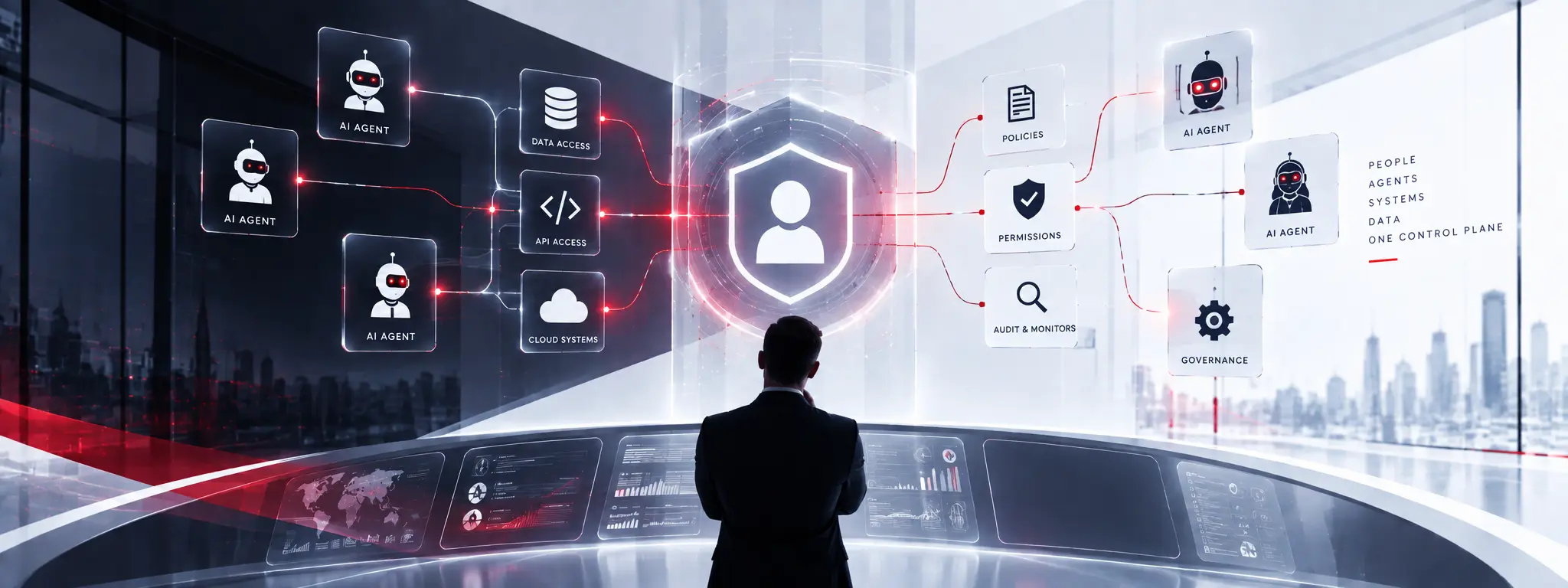

Identity has become the new security perimeter. As organizations expand their digital services, support remote workforces, and interact with millions of users online, managing identities securely and efficiently has become a critical business priority.
Two important identity management models are commonly used by modern organizations: CIAM and WIAM. Although both fall under the broader category of identity and access management (IAM), they serve very different purposes and audiences.
CIAM focuses on managing identities of external users such as customers, partners, and consumers. On the other hand, WIAM focuses on identities of internal users such as employees, contractors, and staff members.
Understanding the differences between ciam and wiam is essential for organizations building secure digital ecosystems. Choosing the wrong identity model can create security gaps, poor user experience, and operational inefficiencies.
This guide explains:
- What ciam and wiam are
- Key differences between the two identity systems
- Real-world business use cases
- When organizations need each solution
- Whether businesses should implement both
- Future trends shaping identity management in 2026 and beyond
By the end of this article, you will have a clear understanding of CIAM vs WIAM and how to choose the right identity strategy for your organization.
Table of Contents
- What is CIAM? (Customer Identity and Access Management)
- What is WIAM? (Workforce Identity and Access Management)
- CIAM vs WIAM: Key Differences
- Use Cases: When Do You Need CIAM?
- Use Cases: When Do You Need WIAM?
- Can Businesses Use Both CIAM and WIAM?
- How to Choose the Right Solution for Your Business
- Future Trends in CIAM and WIAM (2026 and Beyond)
- Conclusion
What is CIAM? (Customer Identity and Access Management)
CIAM, short for customer identity and access management, is a specialized identity management system designed to manage and secure identities of external users such as customers, partners, and digital consumers.
Modern businesses interact with customers through websites, mobile apps, portals, and digital platforms. Each interaction requires identity verification, authentication, and access control.
This is where ciam becomes essential.
A customer identity and access management platform enables organizations to:
- Register and manage customer identities
- Authenticate users securely
- Protect customer data
- Provide seamless login experiences
- Scale identity infrastructure to millions of users
Unlike traditional identity systems, ciam platforms are designed for high scalability, strong security, and smooth user experience.
Key Features of CIAM
A modern ciam platform typically includes the following capabilities.
1. User Registration and Profile Management
Customers can create accounts, update personal information, and manage their profiles. Customer identity and access management platforms ensure that user data remains secure while providing flexibility for users.
2. Secure Authentication
Authentication is a core part of ciam. Platforms support:
- Multi-factor authentication (MFA)
- Passwordless authentication
- Social logins
- Biometrics
These methods enhance security without harming the user experience.
3. Single Sign-On (SSO)
CIAM platforms allow users to log in once and access multiple services or applications without repeated authentication.
This improves both usability and engagement.
4. Consent and Privacy Management
Modern ciam systems help businesses comply with privacy regulations such as:
- GDPR
- CCPA
- Other data protection laws
Customers can control how their data is used.
5. Scalability
Large enterprises may have millions of users. Customer identity and access management platforms are built to scale while maintaining performance and reliability.
Why Businesses Need CIAM
Businesses adopt ciam primarily to improve customer experience while protecting user identities.
Benefits include:
- Better digital onboarding
- Improved security
- Personalized user experiences
- Regulatory compliance
- Scalable identity infrastructure
For companies with customer-facing platforms, ciam has become a foundational component of digital transformation.
What is WIAM? (Workforce Identity and Access Management)
While ciam focuses on external users, wiam focuses on internal users.
WIAM, or workforce identity and access management, is designed to manage identities of employees, contractors, vendors, and internal stakeholders.
Organizations today rely on dozens or even hundreds of internal applications. Employees need secure access to these tools to perform their jobs effectively.
This is where wiam plays a critical role.
A workforce identity and access management system ensures that the right employees have the right level of access to the right resources at the right time.
Key Features of WIAM
A robust wiam platform includes several core capabilities.
1. Employee Identity Management
Organizations must create and manage digital identities for employees. Workforce identity and access management systems handle onboarding, role assignments, and identity lifecycle management.
2. Access Control
Employees should only access resources necessary for their job roles.
WIAM platforms enforce policies such as:
- Role-Based Access Control (RBAC)
- Attribute-Based Access Control (ABAC)
These policies help prevent insider threats.
3. Single Sign-On (SSO)
Similar to ciam, wiam platforms provide single sign-on for employees across multiple enterprise applications.
This simplifies login while maintaining security.
4. Identity Lifecycle Management
Employee identities change frequently as roles change or staff leave the company.
Workforce identity and access management platforms automate:
- Provisioning
- Role changes
- Deprovisioning
This reduces security risks.
5. Multi-Factor Authentication
Strong authentication is essential for internal systems. WIAM solutions enforce MFA for critical applications.
Why Businesses Need WIAM
Organizations deploy wiam primarily to secure internal systems and manage workforce identities efficiently.
Benefits include:
- Reduced insider threats
- Better security controls
- Automated access provisioning
- Improved compliance
- Simplified IT management
As hybrid work and cloud adoption increase, workforce identity and access management has become essential for modern enterprises.
CIAM vs WIAM: Key Differences
Although ciam and wiam are both identity management systems, their goals, users, and capabilities differ significantly.
Below is a comparison highlighting their core differences.

Understanding these differences helps organizations design the right identity architecture.
Use Cases: When Do You Need CIAM?
Many industries rely heavily on ciam to manage external user identities.
Here are some common scenarios where customer identity and access management is essential.
1. E-commerce Platforms
Online retailers manage millions of customer accounts.
A ciam platform enables:
- Secure login
- Personalized experiences
- Fraud protection
Without customer identity and access management, managing large customer databases securely becomes extremely difficult.
2. Banking and Financial Services
Financial institutions must verify customer identities and protect sensitive data.
CIAM solutions support:
- Strong authentication
- Fraud detection
- Secure account access
These capabilities make ciam critical for digital banking platforms.
3. Healthcare Portals
Healthcare providers use patient portals for appointment scheduling, medical records, and telehealth services.
A customer identity and access management solution ensures that patient identities are protected while maintaining regulatory compliance.
4. SaaS Platforms
Software companies offering cloud services must manage user accounts globally.
CIAM platforms allow SaaS providers to:
- Manage subscriptions
- Authenticate users
- Protect user data
This makes ciam a core infrastructure component for SaaS businesses.
5. Media and Entertainment
Streaming platforms handle millions of user identities.
Customer identity and access management systems help deliver personalized content while securing accounts.
Use Cases: When Do You Need WIAM?
Organizations rely on wiam to manage workforce access and protect internal systems.
Here are key situations where workforce identity and access management becomes necessary.
1. Enterprise IT Systems
Large companies operate numerous internal tools.
A wiam platform ensures employees can access systems securely through centralized identity control.
2. Remote Workforce Management
With hybrid and remote work becoming standard, companies must secure remote employee access.
Workforce identity and access management solutions provide secure authentication and access monitoring.
3. Contractor and Vendor Access
Many organizations work with external contractors.
WIAM ensures contractors receive only limited access to specific systems.
4. Regulatory Compliance
Industries such as finance and healthcare must follow strict access control regulations.
A workforce identity and access management platform helps organizations maintain audit trails and enforce policies.
5. Insider Threat Prevention
Not all security threats come from outside attackers.
WIAM systems reduce risk by enforcing strict access controls and monitoring employee activity.
Can Businesses Use Both CIAM and WIAM?
Yes, and many organizations do.
In fact, large enterprises almost always deploy both ciam and wiam.
Why?
Because they serve completely different audiences.
- CIAM manages customer identities.
- WIAM manages workforce identities.
Combining both solutions allows organizations to secure both external and internal ecosystems.
For example:
- A bank may use ciam for millions of customers using mobile banking apps.
- The same bank may use wiam for employees accessing internal systems.
This dual identity architecture provides a complete identity security strategy.
How to Choose the Right Solution for Your Business

Selecting between ciam and wiam depends on your business requirements.
Consider the following factors.
1. Who Are Your Users?
If your platform serves external customers, ciam is necessary.
If your organization needs to manage employee access, wiam is required.
2. Scale of Identity Management
Customer platforms may involve millions of users, which requires customer identity and access management solutions built for massive scalability.
Workforce identity systems typically handle fewer identities but require deeper access control.
3. Security Requirements
Businesses handling sensitive customer data should prioritize ciam security features.
Companies protecting internal infrastructure should invest in workforce identity and access management.
4. Compliance Needs
Different regulations apply to customer data and workforce systems.
A proper identity strategy may require both ciam and wiam to maintain compliance.
5. Integration with Existing Systems
Organizations should evaluate how identity platforms integrate with:
- Applications
- APIs
- Cloud platforms
- DevOps pipelines
Choosing the right architecture ensures smooth deployment and long-term scalability.
Future Trends in CIAM and WIAM (2026 and Beyond)
Identity management continues to evolve rapidly. Both ciam and wiam will experience significant transformation over the next few years.
Here are some major trends shaping the future of identity.
1. Passwordless Authentication
Passwords are increasingly seen as a security weakness.
Both ciam and wiam platforms are moving toward passwordless authentication using biometrics, hardware keys, and passkeys.
2. AI-Powered Identity Security
Artificial intelligence will play a growing role in identity systems.
AI can analyze behavior patterns and detect suspicious activity in both customer identity and access management and workforce identity and access management platforms.
3. Decentralized Identity
New models such as self-sovereign identity allow users to control their own digital identities.
Future ciam solutions may incorporate decentralized identity frameworks.
4. Zero Trust Security
Zero Trust architecture assumes no user or device should be trusted by default.
Both ciam and wiam platforms will increasingly integrate with Zero Trust security models.
5. Unified Identity Platforms
Vendors are beginning to offer platforms that combine customer identity and access management and workforce identity and access management capabilities in a single architecture.
This simplifies identity governance across organizations.
Conclusion
As digital ecosystems continue to expand, managing identities securely has become one of the most important responsibilities for modern organizations.
Understanding the difference between ciam and wiam helps businesses build identity strategies that support both security and user experience.
- CIAM focuses on managing customer identities at scale, enabling secure and seamless digital interactions.
- WIAM focuses on securing employee access to internal systems and protecting enterprise infrastructure.
Most growing organizations eventually require both solutions to manage identities across their entire ecosystem.
However, implementing identity management successfully requires the right expertise, technology, and strategic planning.
This is where companies like Trevonix play an important role. Headquartered in London, Trevonix is a global technology company specializing in identity, cybersecurity, and digital transformation solutions. With deep expertise in identity ecosystems, Trevonix helps organizations design, implement, and optimize secure identity infrastructures that support both ciam and wiam strategies.
Whether businesses are building customer platforms, securing workforce access, or modernizing their identity architecture, partnering with experienced identity specialists ensures scalable, secure, and future-ready systems.