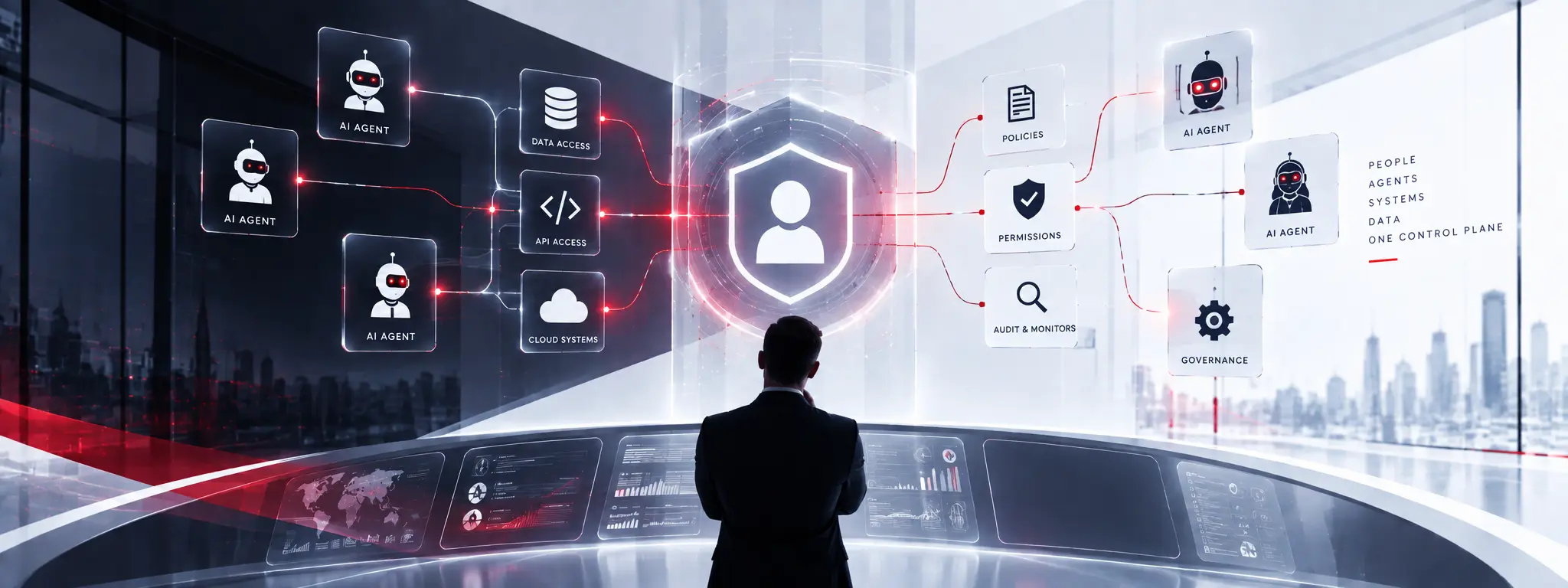

CIAM full form is Customer Identity and Access Management. It refers to systems and practices used to manage customer identities securely and efficiently.
In today’s digital world, businesses are constantly interacting with customers through websites, apps, and other digital platforms. With rising concerns around data privacy, security, and user experience, organizations must find ways to manage customer identities effectively. This is where Customer Identity and Access Management (CIAM) comes into play. CIAM is essential for delivering secure and seamless digital experiences while protecting customer data.
In this blog, we will explore the concept of CIAM, how it works, its importance, the difference between CIAM and traditional IAM (Identity and Access Management), and how businesses can choose the right CIAM solution. We will also discuss use cases, highlight best practices, and introduce you to Trevonix, a trusted name in identity and access management solutions.
Table of Contents
- What is CIAM?
- How CIAM Works
- Why is Customer Identity and Access Management Important?
- CIAM vs IAM: What’s the Difference?
- Common Use Cases of CIAM
- Choosing a CIAM Solution
- Conclusion
- FAQs
What is CIAM?
CIAM full form is Customer Identity and Access Management. CIAM is a specialized branch of identity and access management that focuses on managing the identities of external users such as customers, partners, and clients.
CIAM provides a secure way for customers to log in, register, and access services online. Unlike internal IAM systems, which manage employees' access to internal systems, CIAM systems are built for scale, performance, and user experience.
Key Features of CIAM:
- Customer registration and profile management
- Secure authentication and password management
- Single sign-on (SSO)
- Multi-factor authentication (MFA)
- Consent and privacy management
- User data storage and compliance
- API and SDK support for integration
How CIAM Works
CIAM platforms manage the entire customer lifecycle from registration to authentication and account management. Here’s a breakdown of how CIAM works:
- User Registration: Customers sign up using forms, social login, or federated identity providers.
- Authentication: The CIAM system verifies user credentials, often using MFA.
- Authorization: Based on user roles or attributes, access is granted to specific services.
- Profile Management: Customers can manage their personal data and preferences.
- Consent Management: Customers give or withdraw consent for data usage.
- Audit and Compliance: The system logs access data and ensures compliance with regulations like GDPR or CCPA.
Trevonix offers advanced CIAM solutions that make all of the above easier and more secure for enterprises of all sizes.
Why is Customer Identity and Access Management Important?
In an era where data breaches and privacy concerns are common, CIAM plays a vital role in ensuring customer trust and compliance.
Key Benefits of CIAM:
- Enhanced Security: Protects customer accounts with advanced authentication methods.
- Better User Experience: Simplifies login processes and offers personalization.
- Regulatory Compliance: Helps businesses meet global privacy regulations.
- Scalability: Handles millions of users efficiently.
- Data Insights: Collects and analyzes customer data for better decision-making.
Trevonix has helped numerous global clients implement scalable and compliant CIAM systems tailored to their business needs.
CIAM vs IAM: What’s the Difference?
Though both IAM and CIAM deal with identity and access management, their focus areas are quite different.
Feature
IAM
CIAM
Target Users
Internal (employees, contractors)
External (customers, partners)
Scale
Tens of thousands
Millions
User Experience
Functional, internal
Intuitive, user-friendly
Features
Access control, provisioning
SSO, social login, MFA, consent management
Compliance Focus
Internal IT audits
GDPR, CCPA, marketing opt-ins
The ciam full form, Customer Identity and Access Management, clearly defines its role: serving and securing customer interactions at scale. While IAM is critical for enterprise security, CIAM is essential for building customer relationships.
Common Use Cases of CIAM
1. Retail and eCommerce
Enables customers to create and manage accounts, track orders, and receive personalized product recommendations.
2. Banking and Finance
Provides secure and frictionless login, strong authentication, and protection against fraud.
3. Healthcare
Manages patient identities while ensuring HIPAA compliance and secure data sharing.
4.Media and Entertainment
Allows users to manage subscriptions, access premium content, and receive recommendations.
5. Travel and Hospitality
Simplifies booking processes, loyalty program management, and personalized offers.
In each case, CIAM supports high volumes of users and ensures both security and convenience.
Choosing a CIAM Solution
When selecting a CIAM solution, businesses should look for platforms that offer flexibility, scalability, and security.
Key Factors to Consider:
- Security Features: Ensure support for SSO, MFA, and encryption.
- Scalability: Ability to handle large user volumes.
- Compliance: Meets data protection regulations.
- User Experience: Intuitive interfaces and easy registration/login.
- Integration: Compatible with existing systems and APIs.
- Analytics: Provides insights into user behavior.
Trevonix is a trusted partner in implementing robust CIAM solutions tailored for enterprise environments. With a focus on compliance and user-centric design, Trevonix helps businesses strengthen digital trust while maintaining security.
Conclusion
In a digital-first world, Customer Identity and Access Management (CIAM) has become a cornerstone of customer engagement, security, and compliance. By managing customer identities effectively, businesses can build trust, enhance user experience, and stay compliant with regulations.
Whether you’re a small business or a large enterprise, investing in a solid CIAM strategy is essential. A reliable CIAM solution like the one offered by Trevonix ensures your customers feel safe and valued at every touchpoint.