
Table of Contents
· Introduction
· What Is Model Distillation?
· Why AI Companies Are Raising Concerns
· Beyond Intellectual Property
· The Growing Importance of AI Security
· A Broader Industry Trend
· Trevonix Perspective
Several leading US AI companies, including OpenAI and Anthropic, are urging policymakers to introduce stronger safeguards against what they describe as the unauthorised extraction of capabilities from frontier AI models. According to recent reports, AI developers believe existing legal and technical protections are insufficient to prevent competitors from using advanced models to accelerate the development of rival systems.
What Is Model Distillation?
Model distillation is a machine learning technique in which a smaller model learns by analysing the outputs of a larger, more capable model. When performed with permission, it is widely used to optimise AI systems for speed, efficiency, and deployment.
However, concerns arise when organisations allegedly use proprietary AI models without authorisation to replicate advanced capabilities, reducing the time and investment required to build competing models. This practice has become a growing concern as frontier AI models become increasingly valuable strategic assets.
Why AI Companies Are Raising Concerns
According to reports, several US AI companies have warned policymakers that foreign AI developers are using large-scale automated interactions with commercial AI platforms to extract model behaviour and train competing systems.
Anthropic has reportedly called for stronger export controls, improved legal protections, and additional policy measures to address what it believes are gaps in current legislation. The company argues that existing safeguards leave frontier AI developers responsible for detecting and responding to these activities on their own.
While the allegations remain part of an ongoing geopolitical and commercial debate, they underscore the increasing importance of protecting AI models as valuable forms of intellectual property.
Beyond Intellectual Property
The discussion extends beyond commercial competition.
Advanced AI models are increasingly viewed as strategic national assets with applications across cybersecurity, healthcare, finance, defence, scientific research, and critical infrastructure. As governments invest heavily in AI development, protecting frontier models has become both an economic and national security priority.
The issue is also contributing to broader discussions around:
· AI governance
· Secure model deployment
· API protection
· Access controls
· Export regulations
· Responsible AI development
As AI capabilities continue to advance, organisations will need stronger technical and policy mechanisms to prevent misuse while continuing to encourage innovation.
The Growing Importance of AI Security
The rapid expansion of AI services has introduced new attack surfaces for organisations operating large language models.
Security teams are increasingly focused on protecting:
· Proprietary AI models
· API endpoints
· Training datasets
· Model outputs
· AI infrastructure
· Sensitive enterprise information
Identity verification, rate limiting, behavioural monitoring, anomaly detection, and secure API management are becoming essential components of AI security strategies designed to reduce the risk of unauthorised access or model extraction.
A Broader Industry Trend
The conversation around model distillation reflects the growing maturity of the AI industry.
As organisations invest billions in developing frontier AI capabilities, protecting these systems is becoming as important as securing traditional software, cloud infrastructure, or critical business data.
The industry is increasingly recognising that AI security encompasses not only protecting users from malicious AI, but also protecting AI systems themselves from theft, misuse, and unauthorised replication.
Trevonix Perspective
At Trevonix, we believe AI security extends well beyond model performance. As AI systems become core business assets, organisations must adopt security strategies that protect the models themselves, the data they process, and the infrastructure on which they operate.
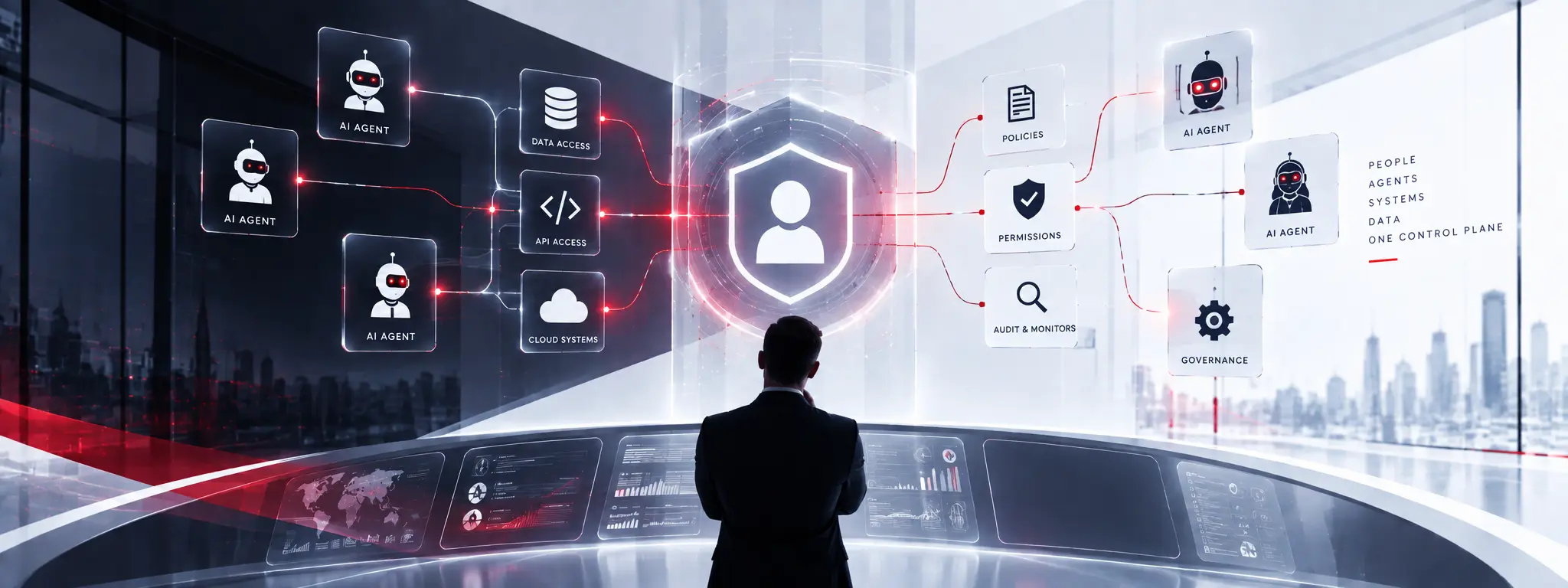
The growing discussion around model distillation highlights the need for stronger identity controls, secure APIs, continuous monitoring, and governance frameworks capable of protecting AI assets throughout their lifecycle. These controls are becoming increasingly important as AI services are integrated into critical enterprise operations.
While innovation remains essential, maintaining trust in AI will depend on balancing openness with appropriate security, governance, and intellectual property protections. Organisations that invest in secure AI architectures today will be better positioned to innovate confidently while safeguarding their competitive advantage.
Reference