
Why AI Generated Code Is Becoming a Governance Challenge
The move by Amazon highlights a critical shift in how organisations must approach AI assisted development. While AI tools improve speed and productivity, they also introduce opaque decision making, inconsistent code quality, and unpredictable behavior in complex systems.
AI generated code is not inherently unsafe but it is often insufficiently understood.
This creates a new risk layer: unverified automation embedded directly into production systems
Without proper oversight, organisations risk deploying code that engineers themselves may not fully validate, leading to outages, vulnerabilities, and operational instability.
From Developer Productivity to Systemic Risk
Traditional software risks were tied to human error. AI introduces a new dimension
- Automated code generation at scale
- Reduced visibility into logic and dependencies
- Over reliance on AI suggestions
- Inconsistent adherence to secure coding practices
- Faster deployment cycles with less review time
This shifts risk from isolated bugs to systemic failures where a single flawed AI generated change can cascade across systems.
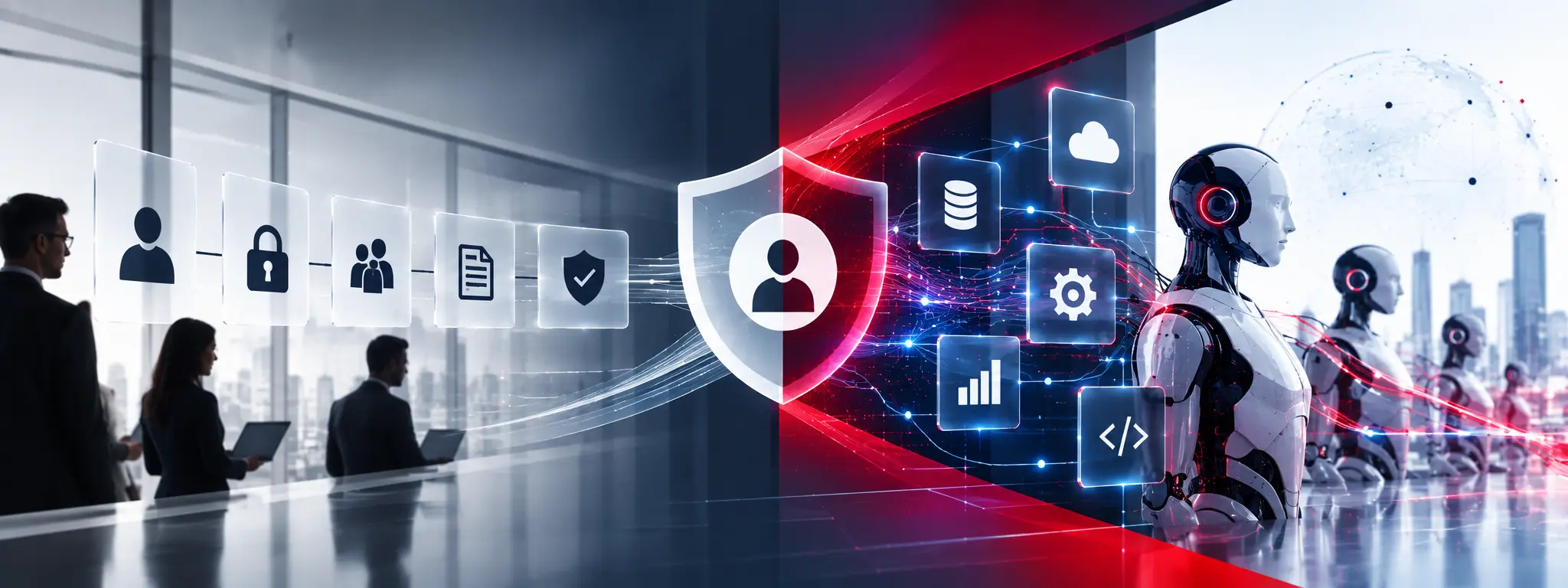
AI is not just a tool. It is now a participant in the software lifecycle.
The Business Impact of AI Induced Failures
When AI assisted changes lead to outages or vulnerabilities, organisations face
- Service disruptions
- Loss of customer trust
- Operational instability
- Security exposure
- Increased compliance risks
- Higher dependency on senior oversight
This introduces a paradox. AI increases speed but also increases the need for governance.
Securing AI in the Development Lifecycle
To manage this shift, organisations must evolve their approach
- Human in the loop validation
- AI governance frameworks
- Code verification and testing automation
- Secure development guardrails
- Risk based deployment controls
- Auditability of AI generated changes
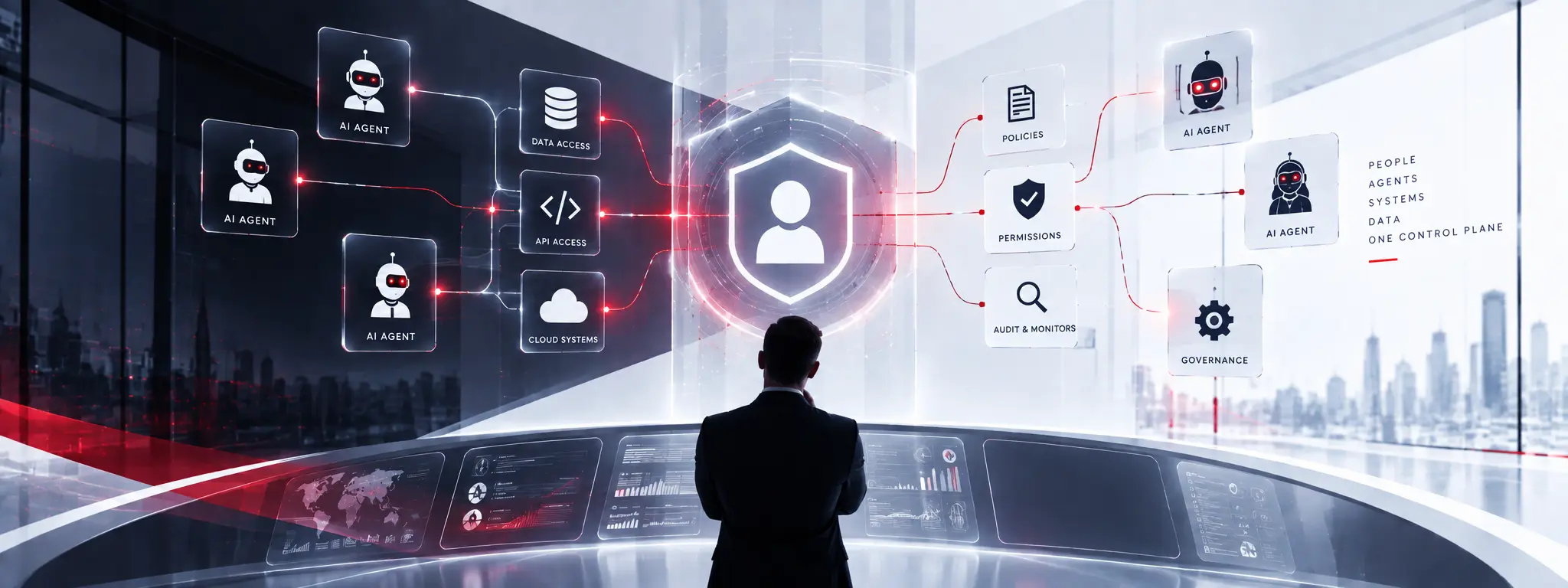
AI must be treated not just as a productivity tool but as a controlled and monitored actor in the system.
Trevonix Perspective
At Trevonix, we view this as a defining moment in how enterprises integrate AI into critical workflows. The challenge is not limiting AI but governing it effectively.
By embedding accountability, validation, and Zero Trust principles into development pipelines, organisations can harness AI safely while maintaining system integrity and trust.
AI should accelerate innovation. It should not compromise resilience.
Reference