
Table of Contents
· Introduction
· Securing AI Agents with Enterprise Identity
· What are MCP Connectors?
· Key Capabilities of the Integration
· Why Identity is Becoming the Foundation of AI Security
· The Future of Enterprise AI Governance
· Trevonix Perspective
To support this growing need, Okta has announced a new integration with Anthropic's Claude Enterprise, becoming a featured identity provider for secure AI agent connections. The integration enables organisations to centrally manage access to Claude's Model Context Protocol (MCP) connectors using existing enterprise identity policies and governance controls.
Securing AI Agents with Enterprise Identity
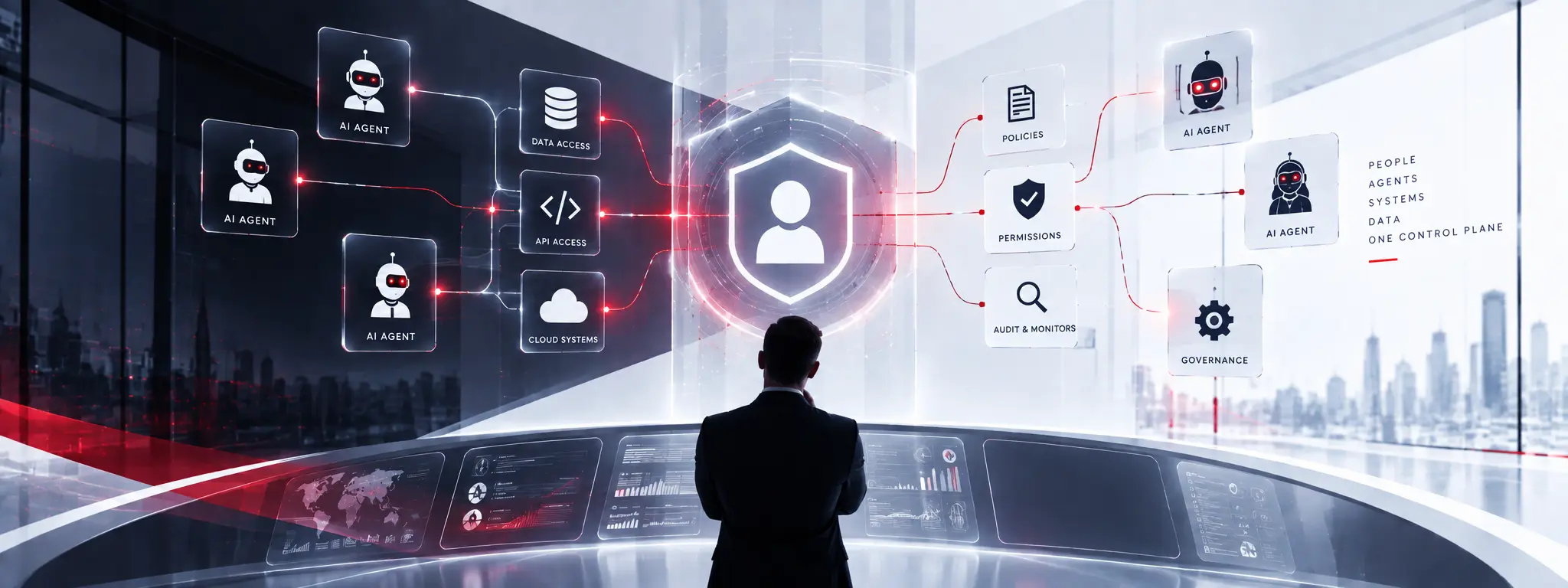
As AI assistants evolve into autonomous agents capable of interacting with enterprise systems, organisations require more than authentication. They need continuous governance over what AI agents can access, which resources they can use, and how permissions are managed throughout the agent lifecycle. The integration between Okta and Claude Enterprise addresses this challenge by allowing organisations to use their existing identity infrastructure to control AI agent access. Instead of configuring permissions individually for every AI application, administrators can manage access centrally through Okta.
What are MCP Connectors?
Model Context Protocol (MCP) is an emerging open standard that enables AI assistants to securely connect with enterprise applications, data repositories, APIs, and business systems.
Through MCP connectors, AI agents can retrieve information and perform authorised actions across enterprise environments. As adoption increases, organisations require stronger governance to ensure these connections remain secure, auditable, and compliant with corporate security policies.
Key Capabilities of the Integration
The collaboration introduces several enterprise-grade identity capabilities for Claude Enterprise users.
· Centralised Authorisation
Administrators can provision and authorise MCP connectors once through Okta, eliminating fragmented configuration processes and providing a single control point for AI agent access across the organisation.
· Role-Based Access Control
Access to AI agents and MCP connectors is determined using existing Okta groups and roles. This allows organisations to extend established identity policies to AI workloads without creating separate permission models.
· Automated Access Revocation
When employees leave the organisation or an AI agent no longer requires access, permissions are automatically revoked through existing Okta lifecycle management processes, reducing the risk of orphaned accounts and excessive privileges.
· Consistent Identity Governance
The integration enables organisations to apply existing governance, audit, and compliance controls to AI-powered workflows, helping security teams maintain visibility across both human and AI identities.
Why Identity is Becoming the Foundation of AI Security
AI agents are rapidly evolving from productivity tools into autonomous digital workers capable of interacting with sensitive enterprise systems.
This evolution introduces new security considerations, including:
· Managing AI agent permissions
· Preventing excessive access
· Maintaining audit trails
· Applying least-privilege principles
· Supporting regulatory compliance
· Securing non-human identities
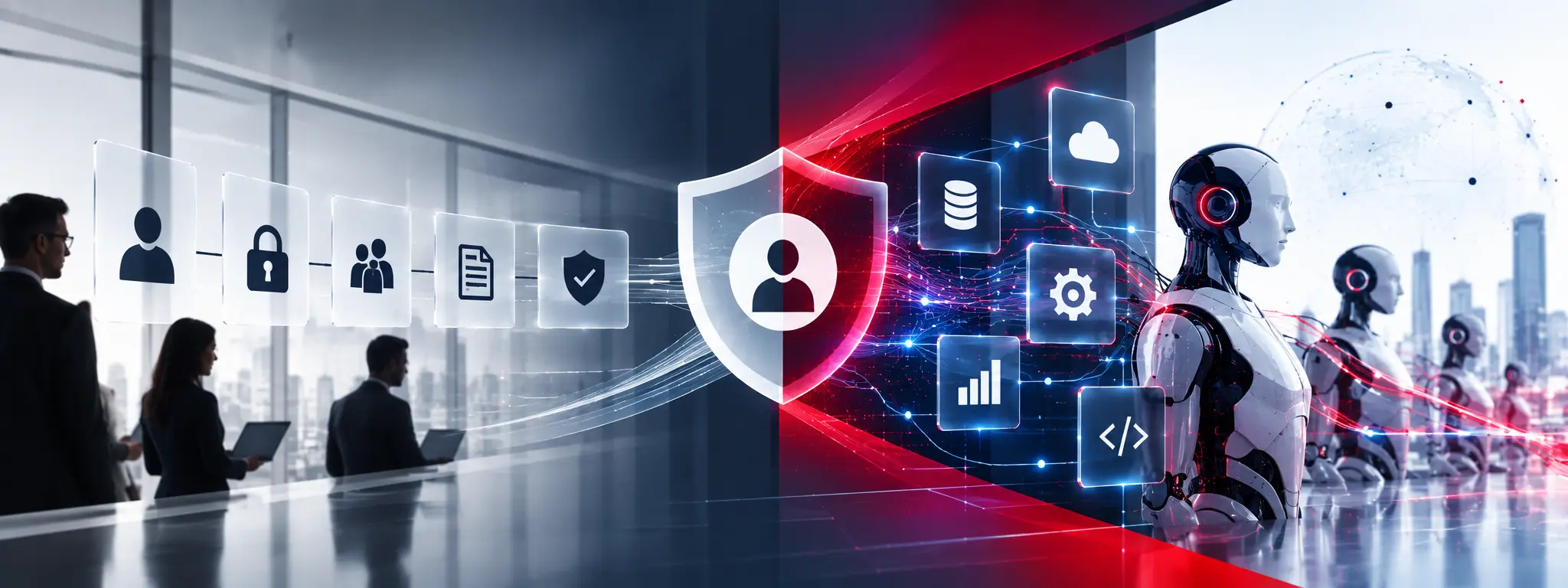
Rather than treating AI agents as standalone applications, organisations are increasingly incorporating them into their existing identity security frameworks. This identity-first approach provides greater control while reducing operational complexity.
The Future of Enterprise AI Governance
The partnership between Okta and Anthropic reflects a broader industry movement towards identity-driven AI governance.
As AI agents become embedded across business processes, enterprises will require standardised methods for authenticating, authorising, monitoring, and governing every AI interaction. Identity platforms are evolving to provide this central control layer, ensuring AI innovation can scale without compromising security or compliance.
Trevonix Perspective
As an Okta partner, Trevonix views this integration as another significant milestone in the evolution of enterprise AI security.
AI agents are rapidly becoming active participants within enterprise ecosystems, accessing business applications, knowledge repositories, APIs, and sensitive corporate data. Applying identity governance to these agents is essential to ensure that organisations maintain visibility, accountability, and control as AI adoption accelerates.
At Trevonix, we help organisations extend identity-first security principles beyond human users to encompass machine identities and AI agents. Centralised authorisation, lifecycle management, role-based access controls, and continuous governance will play an increasingly important role in enabling organisations to adopt AI securely and at scale.
As AI becomes embedded within day-to-day business operations, identity will remain the foundation that enables innovation while protecting enterprise data, applications, and users.
Reference