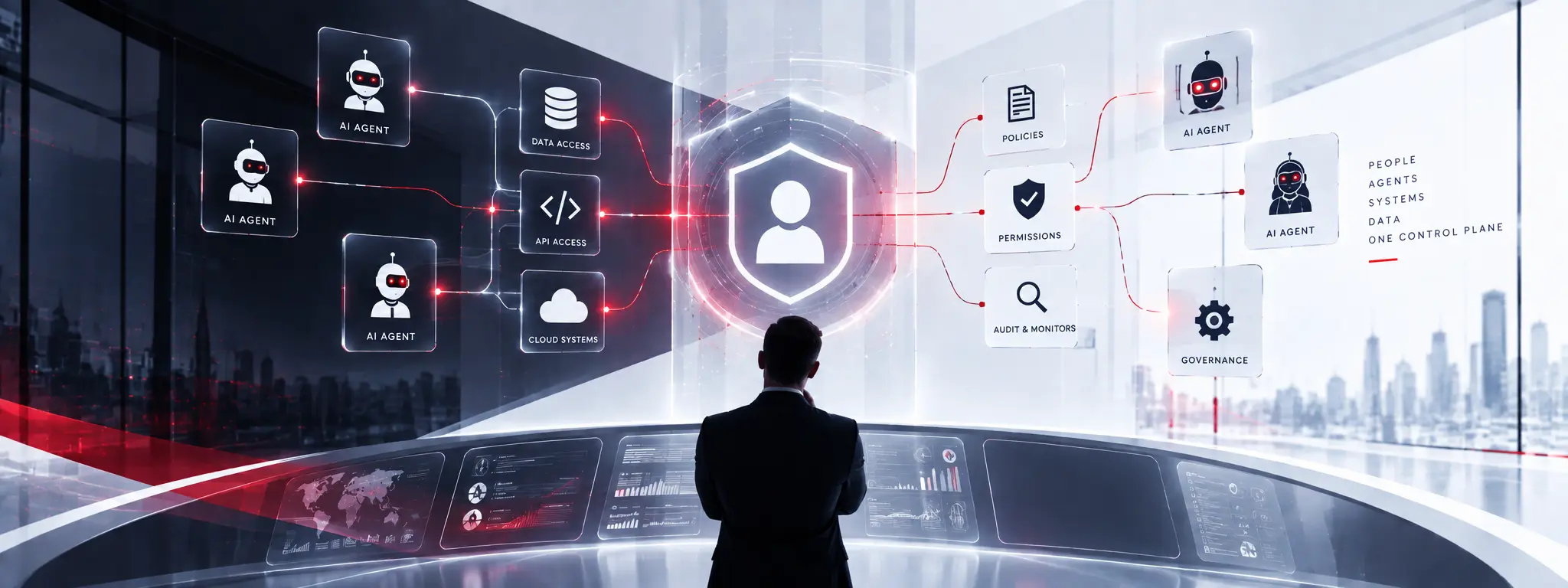

IDM stands for Identity Management, a system that manages user identities and access rights in digital environments.
In today’s increasingly digital world, managing digital identities is critical for securing sensitive information, maintaining regulatory compliance, and ensuring seamless user experiences. Identity Management (IDM) is a comprehensive framework that helps organizations control access to information and systems. In this blog, we will explore what is IDM, its full form and meaning, how it works, key features, benefits, and much more.
Table of Contents
- IDM Full Form and Meaning
- Why is Identity Management Important?
- How IDM Works
- Key Features of Identity Management Solutions
- Benefits of Using IDM
- Common Identity Management Solutions
- Who Needs IDM?
- Challenges in Implementing IDM
- Conclusion
- Frequently Asked Questions (FAQs)
IDM Full Form and Meaning
IDM stands for Identity Management. IDM refers to the policies, processes, and technologies that ensure the right individuals access the right resources at the right times for the right reasons.
The idm full form highlights its core purpose—managing identities. In simpler terms, idm meaning revolves around identifying users and controlling their access within an organization.
In the digital age, every user interaction, from logging into a system to accessing data, depends on identity management IDM. It allows businesses to authenticate and authorize users securely and efficiently.
Why is Identity Management Important?
IDM is a cornerstone of modern cybersecurity and digital operations. Here are key reasons why identity management is crucial:
- Security: IDM reduces the risk of unauthorized access and data breaches.
- Compliance: Helps organizations meet data protection regulations such as GDPR, HIPAA, and others.
- Efficiency: Automates user provisioning and de-provisioning.
- User Experience: Ensures seamless access for authorized users without compromising security.
Without strong identity management solutions, organizations expose themselves to cyber threats, insider attacks, and operational inefficiencies.
How IDM Works
Identity management IDM operates through a well-structured process that includes:
- Identification: Assigning a unique digital identity to each user.
- Authentication: Verifying a user's identity through passwords, biometrics, or multi-factor authentication (MFA).
- Authorization: Granting access to resources based on user roles and permissions.
- Provisioning and De-provisioning: Managing user access as they join, move within, or leave the organization.
- Monitoring and Auditing: Continuously tracking user activities and access patterns for compliance and security.
Modern IDM systems often integrate with existing IT infrastructure to support cloud, on-premises, and hybrid environments.
Key Features of Identity Management Solutions
Effective identity management solutions include the following features:
- Single Sign-On (SSO): Allows users to access multiple systems with one set of credentials.
- Multi-Factor Authentication (MFA): Adds extra layers of security.
- Role-Based Access Control (RBAC): Access is granted based on user roles.
- Lifecycle Management: Automates the process of onboarding and offboarding users.
- Directory Services Integration: Connects with Active Directory and other directory services.
- Self-Service Password Management: Empowers users to reset passwords without IT support.
- Audit and Compliance Reporting: Tracks access and changes for compliance purposes.
Benefits of Using IDM
Adopting a robust IDM strategy provides numerous advantages:
- Improved Security: Minimizes risks of unauthorized access and data breaches.
- Cost Efficiency: Reduces help desk calls related to password resets and user access.
- Compliance Readiness: Simplifies audits and regulatory compliance.
- Operational Efficiency: Automates repetitive tasks such as user provisioning.
- Enhanced User Experience: Provides seamless access with minimal friction.
- Centralized Control: Offers a single dashboard to manage all identities and permissions.
Organizations like Trevonix help businesses implement and manage identity management solutions tailored to their specific needs. Trevonix is a trusted name in IAM and IDM, offering scalable and secure services across the globe.
Common Identity Management Solutions
There are several identity management solutions available, ranging from open-source to enterprise-grade platforms. Some of the most popular include:
- Okta: A cloud-based solution with strong SSO and MFA capabilities.
- Microsoft Azure Active Directory: Ideal for Microsoft environments.
- Ping Identity: Offers flexible IAM and IDM solutions for large enterprises.
- ForgeRock: Known for its comprehensive digital identity platform.
- Trevonix: Specializes in IDM strategy, implementation, and managed services, making it a go-to solution for businesses across industries.
Each of these IDM tools brings unique strengths and can be tailored to an organization’s specific infrastructure and compliance needs.
Who Needs IDM?
IDM is essential for any organization that deals with digital identities, especially those handling sensitive information. Typical users include:
- Large Enterprises: With thousands of employees and complex access needs.
- Small and Medium Businesses (SMBs): To ensure secure access without a large IT team.
- Educational Institutions: For managing student and faculty access.
- Healthcare Providers: To comply with regulations like HIPAA.
- Government Agencies: To secure citizen data and digital services.
Regardless of size, every organization can benefit from deploying an identity management IDM system.
Challenges in Implementing IDM
Despite its benefits, implementing IDM comes with challenges:
- Complex Integration: Integrating IDM with legacy systems can be difficult.
- User Resistance: Changes in access protocols can face pushback from users.
- Cost: Initial implementation can be expensive.
- Scalability Issues: Some IDM solutions may not scale well with business growth.
- Compliance Gaps: Failure to configure systems properly can lead to non-compliance.
Partnering with experts like Trevonix can ease these challenges. Trevonix provides comprehensive consultancy and implementation support, ensuring that identity management solutions are deployed effectively and securely.
Conclusion
In the digital age, IDM is not a luxury but a necessity. As organizations grow and digitize their operations, the need to secure identities becomes paramount. From securing access and improving efficiency to meeting compliance standards, identity management IDM plays a central role.
Whether you're a startup or a global enterprise, implementing a robust IDM system can protect your digital assets and improve user satisfaction. Companies like Trevonix can help you navigate the IDM landscape with expert advice and tailored solutions.